IPL for Dry Eye
Advanced IPL Therapy for Long-Term Dry Eye Relief

At Lancashire Eye Clinic, we offer Intense Pulsed Light (IPL) therapy as part of our comprehensive dry eye treatment service. IPL is an evidence-based treatment designed to address one of the main causes of dry eye disease — meibomian gland dysfunction (MGD).

Our specialist team uses advanced technology to treat the underlying cause of dry eye, helping to improve comfort, tear stability, and overall eye health.

Book a consultation to find out whether IPL treatment is suitable for your dry eye symptoms.

Overview

Dry eye disease is commonly caused by dysfunction of the meibomian glands, which produce the protective oil layer of the tear film.

When these glands become blocked or inflamed, tears evaporate too quickly, resulting in irritation and unstable vision.

IPL therapy is designed to improve gland function and reduce inflammation, helping to provide longer-term relief compared to artificial tears alone.

Definition
What Is a IPL for Dry Eye?
  • IPL for dry eye is an evidence-based treatment used to manage evaporative dry eye caused by meibomian gland dysfunction.

  • Meibomian glands produce the oily layer of the tear film, which helps prevent tears from evaporating too quickly.

  • When these glands become blocked or inflamed, the tear film becomes unstable and the surface of the eye becomes irritated.

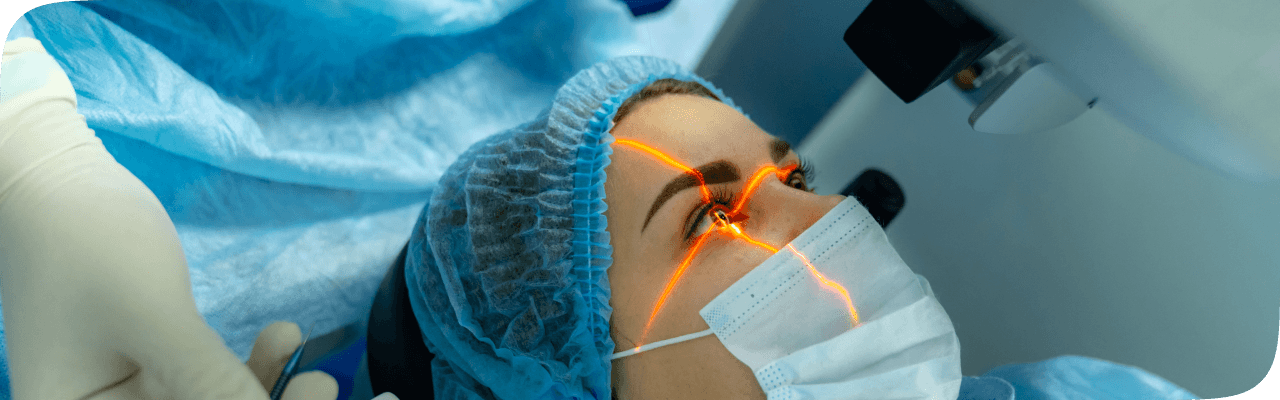
  • IPL uses carefully controlled pulses of light around the eyelid area to reduce inflammation and improve gland function.

  • At Lancashire Eye Clinic, IPL forms part of a broader dry eye assessment and treatment plan.
Causes
Causes of a IPL for Dry Eye
  • The most common reason for needing IPL is meibomian gland dysfunction, in which the oil glands in the eyelids do not work properly.

  • Blocked glands can lead to a poor-quality tear film and increased evaporation of tears.

  • Inflammation along the eyelid margin can further worsen gland function and eye surface discomfort.

  • Ocular rosacea is another common contributor to chronic dry eye and eyelid inflammation.

  • Some patients remain symptomatic despite artificial tears and warm compresses and may benefit from IPL as a more targeted treatment.
Symptoms
Symptoms of a IPL for Dry Eye
  • Dry eye associated with meibomian gland dysfunction often causes burning or stinging of the eyes.

  • Many patients describe a gritty or foreign body sensation, as though something is in the eye.

  • Vision may fluctuate or become intermittently blurred because the tear film is unstable.

  • Redness and irritation of the eyelids or eye surface are also common symptoms.

  • Some patients experience watery eyes because the eye produces reflex tears in response to irritation.
Treatment
Treatments for a IPL for Dry Eye
  • IPL treatment is usually given as a course of four sessions spaced two to four weeks apart.

  • Each treatment session typically lasts around 10 to 15 minutes and is performed using protective eye shields.

  • The light treatment helps reduce inflammation, improve meibomian gland function, and stabilise the tear film.

  • Most patients experience minimal discomfort and no significant downtime after the procedure.

  • Maintenance treatments may be recommended in some cases, depending on the severity of the condition and long-term response.
Your Journey to Better Vision Starts Here

Don’t wait. Take the first step towards life-changing results by scheduling your personal consultation today.

Frequently Asked Questions
Q. What is an Ophthalmologist?

An Ophthalmologist is a medical doctor specialising in eye and vision care. They have trained specifically in various aspects of eye disease and ophthalmic surgery.

An Ophthalmologist is a medical doctor specialising in eye and vision care. They have trained specifically in various aspects of eye disease and ophthalmic surgery.

An Ophthalmologist is a medical doctor specialising in eye and vision care. They have trained specifically in various aspects of eye disease and ophthalmic surgery.